
The Case for Wailing
ritual, lament, and why sorrow used to be audible

For centuries іn Gaelic Ireland, especially іn rural Irish-speaking communities, funerals were loud.
Women known as bean chaointe would gather around the body or follow the funeral procession and just waaailll. This was called keening (caoineadh).
It wasn’t random hysteria. Many keeners were professionals for hire. The practice consisted of improvised poetry, praise of the dead, recounting lineage, at times speaking directly to the person who had died, even naming injustices and wrongdoings committed by the deceased. It was real talk at banshee-level volume.
Keening was rooted in Gaelic folk tradition. Unsurprisingly, the clergy often discouraged it. As British rule expanded and Victorian ideals of composure took hold, keening began to look improper and excessive (and Pagan). By the late nineteenth century, it was largely suppressed.
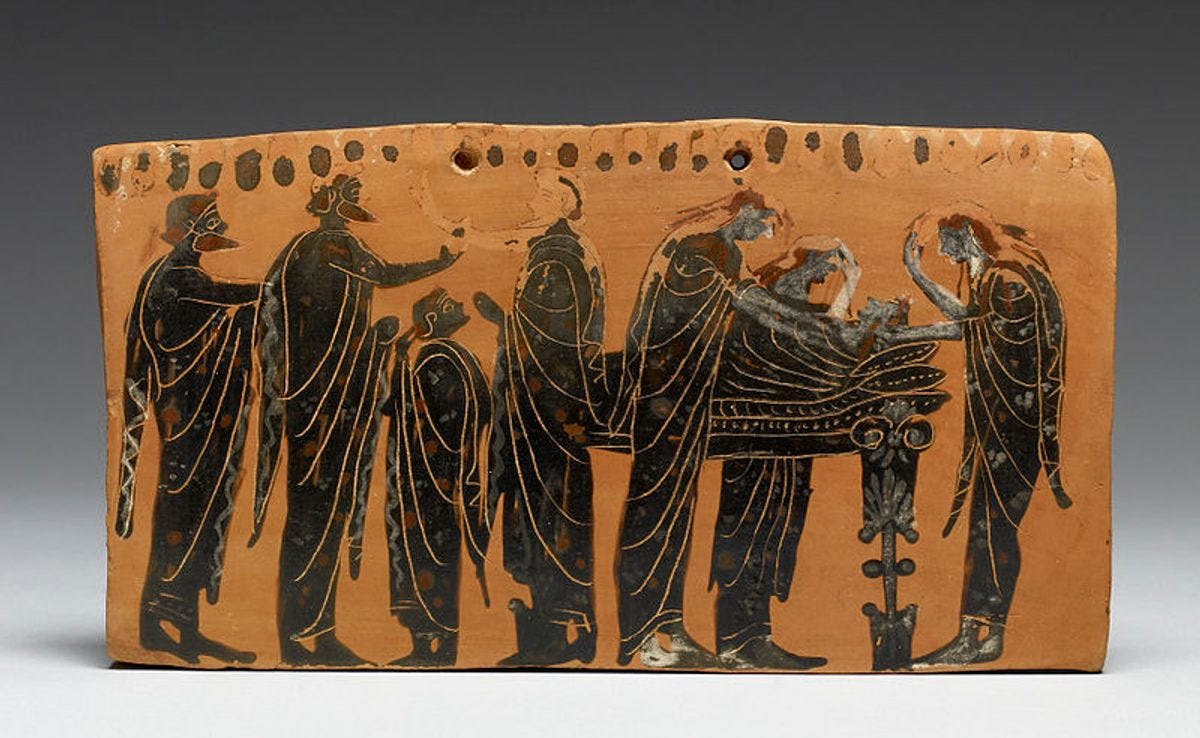
Ireland wasn’t alone іn ritualized lament. In East Asia, professional mourners are still available for hire at loved one’s funerals. In Greece, a tradition called moirologia has existed since at least the eighth century B.C. The earliest versions were performed by family and friends during the prothesis, when the body was laid out at home. Over time, the role became professionalized and almost exclusively female. Women who were especially skilled at improvising these sorrows (and who could withstand the emotional and physical toll оf the work) were hired tо lead the mourning.
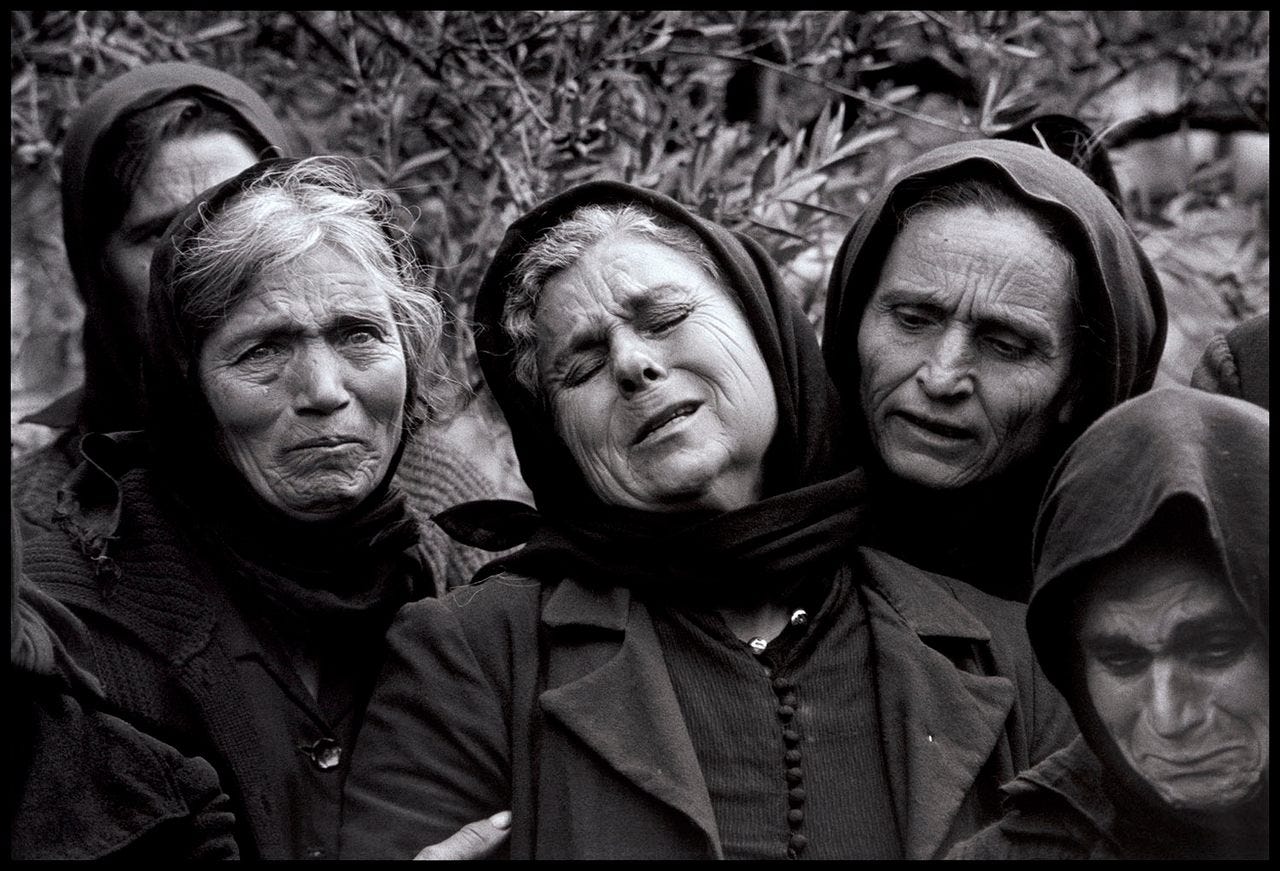
From bodies laid out in homes to bodies swiftly transported to morgues; from communal mourning to pre-fab services; from caring for our dying to outsourcing the process entirely…death became quieter.
Grief still feels the same. What’s changed, is our tolerance for its volume.
Living in the UK has sharpened this for me. Restraint here is almost civic. You don’t make a scene. You hold it together. In many ways, the “pull yourself up by your boots straps and carry on” is refreshing for me. Endless self-pitying isn’t healthy or productive. But pretending we can bypass grief isn’t either.
During my death doula training, a teacher showed my class a video of a Māori community mourning a teenage boy who had taken his own life. His brother and friends performed a haka in his honor.
For those who only associate haka with rugby, it’s a traditional Māori posture dance: rhythmic chanting with forceful stamping, chest beating, eye widening, tongue protrusion. It can be a war dance, but it’s also performed at weddings, graduations, and funerals. It’s for moments of transition and intensity.
It is grief made physical.
In our quiet London classroom, several people began crying while watching the footage.
That reaction interested me.
We are deeply moved by unfiltered grief, but most of us would not permit ourselves to express it that way. Not only because it feels vulnerable, but because it risks making others uncomfortable. How often do you find yourself apologizing when you cry in front of other people?
If a room full of professional adults can be brought to tears by watching another culture grieve without apology, perhaps the issue isn’t that the display is excessive.
Perhaps it’s that we have forgotten how to bear witness to that level of honesty in ourselves.
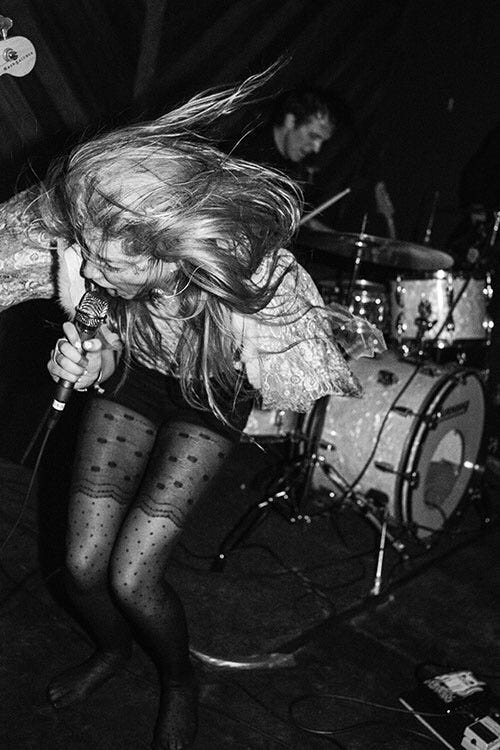
As a musician, I’ve given myself permission to be volcanic. I’ve screamed, cried, convulsed, unravelled onstage. In that context, it’s called art. No one hands out tissues and suggests I tone it down. People get mesmerized, deeply uncomfortable, or equally emotional while seeing me play. It’s honest catharsis. It’s human.
Offstage, I really tone it down. Perhaps, too much. To the point of seeming aloof or cold.
After a while, the big feelings became reserved for the stage, where they were sanctioned. It’s only recently that I’ve realized how narrow that arrangement is.
If I only allow myself to feel big while putting on shows, is the rest of my life the actual performance? A daily exercise in suffocation?
Grief is physiological. It lives in breath, muscle, jaw, gut. You can behave impeccably while going through the motions of loss and still wake up three months years decades later overwhelmed, exhausted, furious, and sobbing.
Keening wasn’t decorative folklore. It functioned. It gave anger and love somewhere to go in the presence of witnesses.
The haka functions the same way. Moirologia did too. These are structures built to metabolize intensity.
I’m not suggesting we resurrect professional mourners or start wailing in the aisles of Tesco — though I’ve seen worse behavior there.
I am asking whether our commitment to emotional control has actually served us as well as we think it has.
Memento mori,
—Carré
It's gonna come out somehow. Not me cry singing "Angel" by Sarah McLachlan at 2 AM. Men were taught to keep that shit private. Women get more leeway.
"a daily exercise in suffocation" . Brilliant. What side of the theater are you on, and when? Also great.
Victorian era civility is quaint and decent. Yelling from a hilltop is discouraged?